H&M Group—spanning COS, Monki, Arket, and &Other Stories across seventy-six markets—had four million monthly visitors. But retention was brutal. People browsed once and vanished. Conversion hovered at two percent. From a business standpoint, the problem was structural: we only learned about users at checkout, when they finally logged in to complete a purchase. By then, ninety percent had already left.
Worse, there was no incentive to log in earlier. We’d tried the obvious fix: a ten percent discount for creating an account. It failed. Not because the discount was too small, but because it asked people to commit before they’d found anything worth committing to. It felt transactional—create an account, get a bribe—rather than valuable. The timing was backwards. We were asking for trust before we’d earned it.
I was brought in to understand why people weren’t coming back, and how we could start building relationships before checkout.
I designed research pairing behavioral analytics with in-depth observation. Analyzing clickstream data from thousands of sessions, I watched where people lingered—zooming product images, reading fabric details, hovering over sizes—then abruptly vanished. Then I sat with users in their homes, watching them shop in real time.
One woman scrolled through Arket late at night, finding a linen dress she loved. She screenshot it. Then closed the tab. “I’m not ready to buy,” she said. “But by tomorrow, I’ll have five other tabs open and forget this existed.” Another found a COS jacket—sold out in her size. She shrugged, moved on. “There’s no way to know if it’ll come back, so why bother?” A third summed it perfectly: “It’s like shopping in a store where nothing remembers you.”
The insight landed hard in our first cross-functional review. The Head of E-commerce leaned back and said, “So we’re asking people to create accounts for nothing.” Exactly. Users had intent—strong intent—but no mechanism to express it without committing to purchase. Every visit started from zero. And from our side, we were blind to demand until the final transaction. We couldn’t personalize, couldn’t predict, couldn’t retain.
The breakthrough was realizing we needed to flip the incentive model. Instead of asking users to log in for a discount they didn’t value yet, what if we gave them something worth logging in for? What if we captured intent first, then offered the account as a way to protect what they’d already built?
I worked with product and engineering teams to prototype Favourites—a feature letting users save items without logging in. One tap. No forms. No commitment. It persisted across sessions through browser storage, letting people curate collections anonymously until they were ready to make them permanent.
Early testing revealed friction we hadn’t anticipated. A user in Stockholm saved four items, then looked panicked. “Wait, if I close this, does it disappear?” The trust gap was real. We redesigned with visual persistence—a small counter showing saved items on every page, accessible from anywhere. The message shifted from “Save for later” to “Your collection: 4 items.” Ownership language. It worked. People relaxed and started curating freely.
But Favourites wasn’t just user experience—it was infrastructure. Every saved item became an intent signal captured upstream, before checkout, before cart, before we’d traditionally seen anything. This unlocked capabilities that were previously impossible: personalized recommendations from actual interest, demand forecasting before stock-outs, targeted re-engagement before users forgot about us. For the first time, we could see what four million monthly visitors wanted, not just what two percent bought.
We piloted across three markets. Within two months, the results validated both hypotheses. Conversion increased six percent—on our revenue base, that translated to twelve million euros annually. Feature adoption hit three percent in month one, climbing to seven percent by month three. But the leading indicators told the deeper story: repeat visits among Favourites users jumped twenty-three percent. Session depth doubled. Time between first visit and first purchase shortened by eighteen percent.
Most tellingly, account registrations increased eight percent—not because we’d improved the discount offer, but because users now had something worth protecting. They’d built collections. They wanted to secure them. The incentive structure had reversed: accounts were no longer gates, they were upgrades.
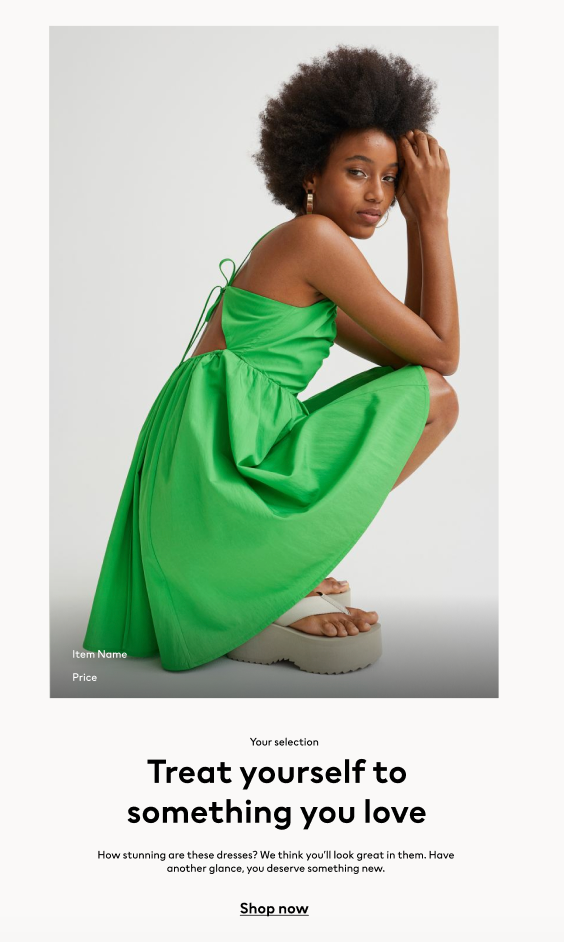
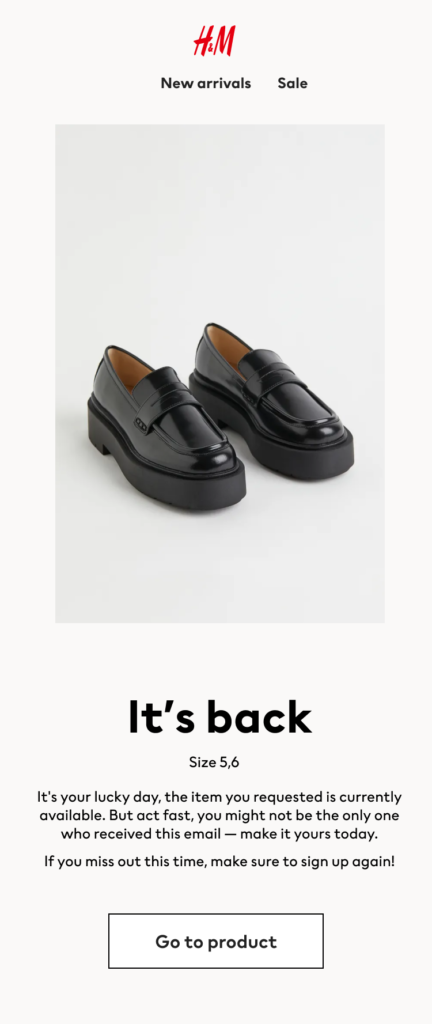
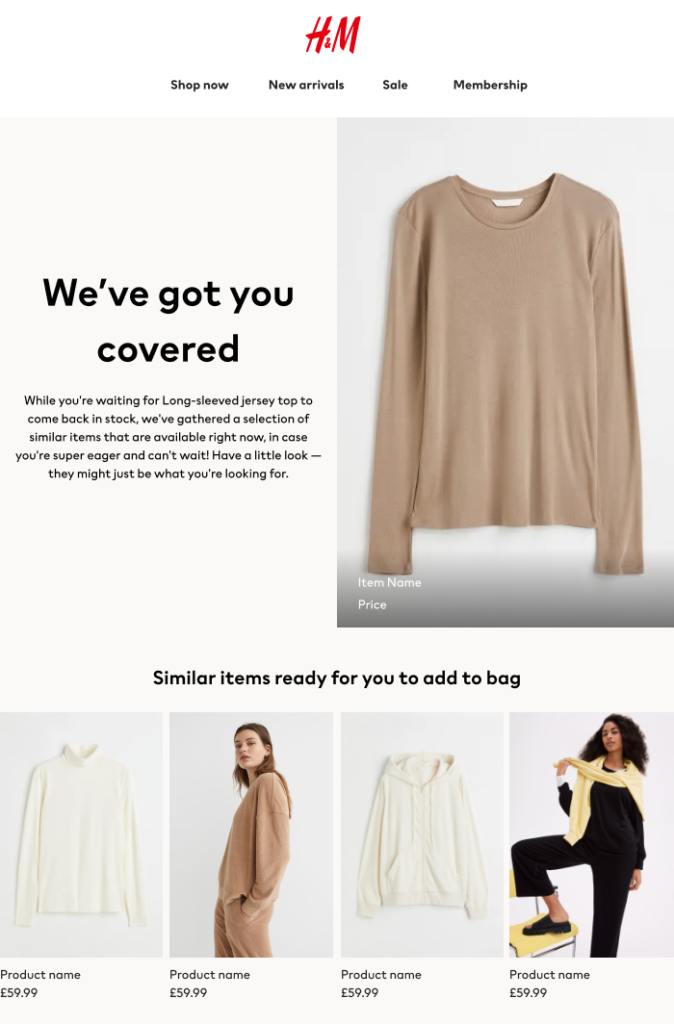
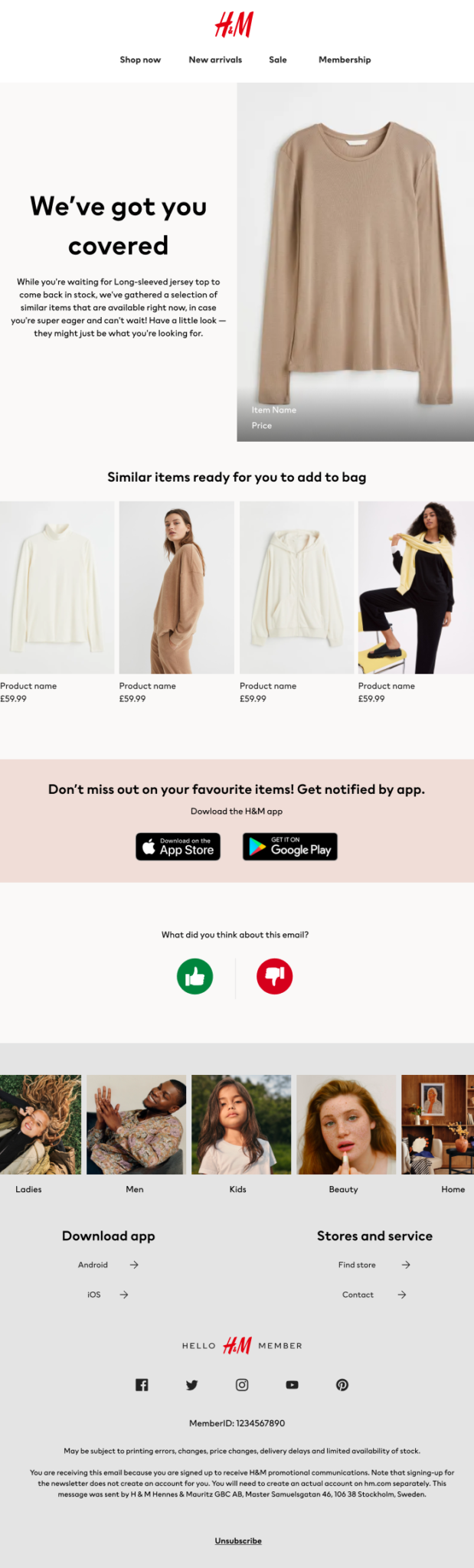
The roadmap accelerated. Phase two introduced Notify Me Back for out-of-stock items, transforming dead ends into anticipated connections. Phase three activated the intent data: personalized emails triggered by behavior—Favourites updates, cart reminders, recommendations drawn from saved collections. Each phase deepened engagement while teaching us more about demand before it converted.
One afternoon, our CX team forwarded an email from a user in Berlin. She’d saved a Monki jacket weeks earlier. When our automated notification told her it was restocked, she didn’t just buy the jacket—she added three pieces she’d been considering but hadn’t saved. “It felt like the site was holding space for me,” she wrote. “Like you knew I’d come back.”
That phrase—”holding space”—became our north star. We weren’t just building features. We were building reciprocity.
Not everything scaled smoothly. Engineering pushed back on browser storage persistence—it was complex, fragile, required ongoing maintenance. We convinced them by showing the business case: without anonymous Favourites, adoption would crater. Some markets wanted to gate the feature behind login immediately. We held firm, backed by research showing users needed to experience value before committing data. A few senior stakeholders questioned whether we were cannibalizing immediate sales by letting people defer decisions. The data proved otherwise: users who saved first bought more, not less.
The work continues—refining algorithms, testing social sharing, building feedback loops. But the foundational shift transformed how H&M Group approaches engagement: loyalty isn’t built at checkout. It’s built in the quiet moments when someone is still deciding whether you’re worth remembering.
Our platforms stopped being catalogs. They became places four million people return to—not because they have to, but because something is waiting for them. Twelve million euros annually says the business noticed. But the Berlin user’s email says something deeper: we’re finally holding space.
That’s the work. That’s what remains.